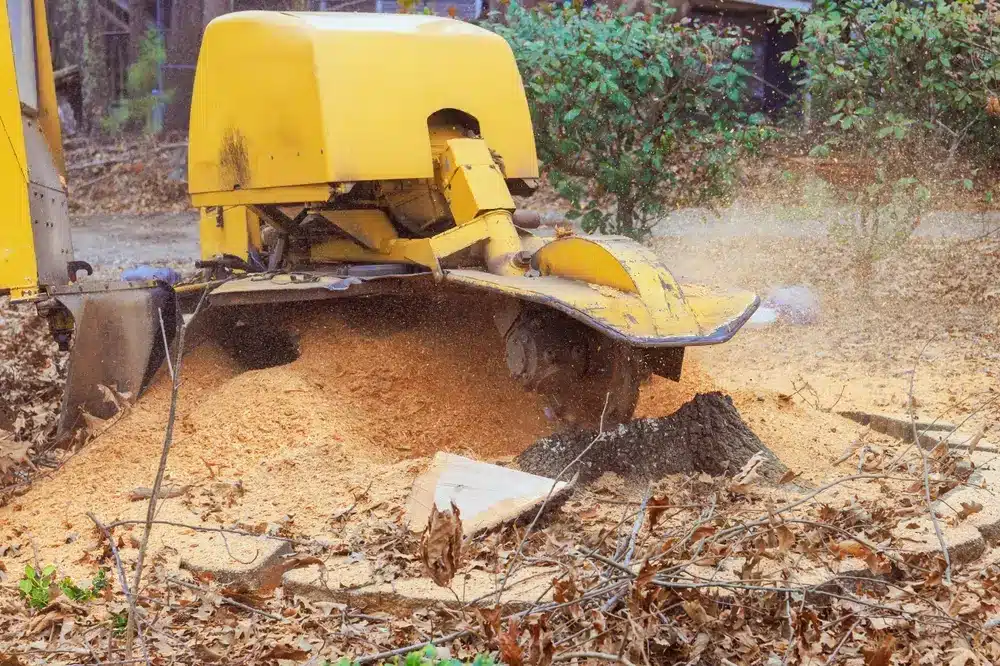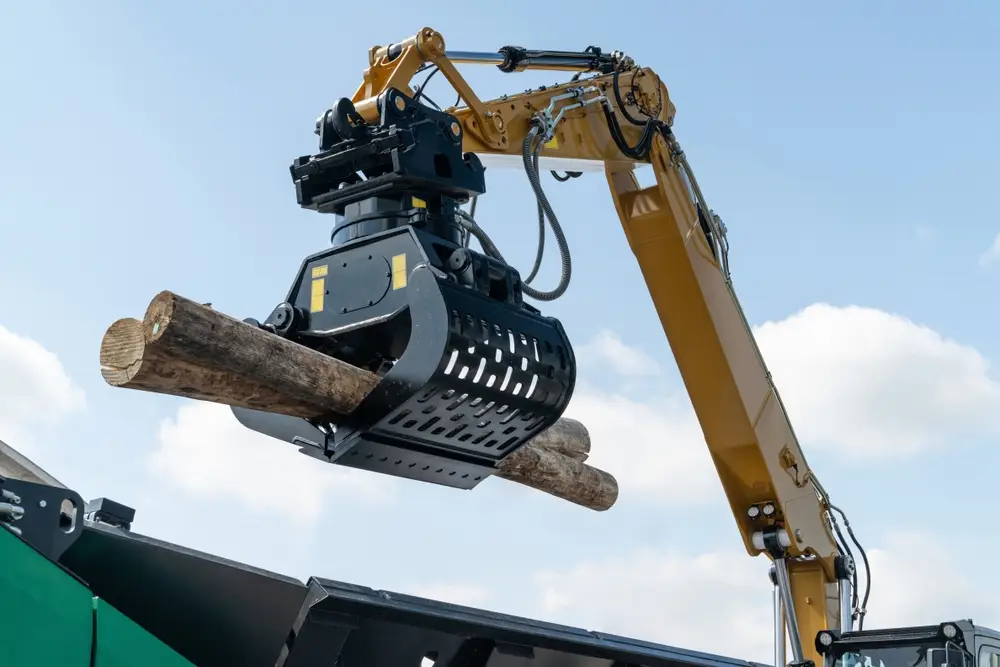
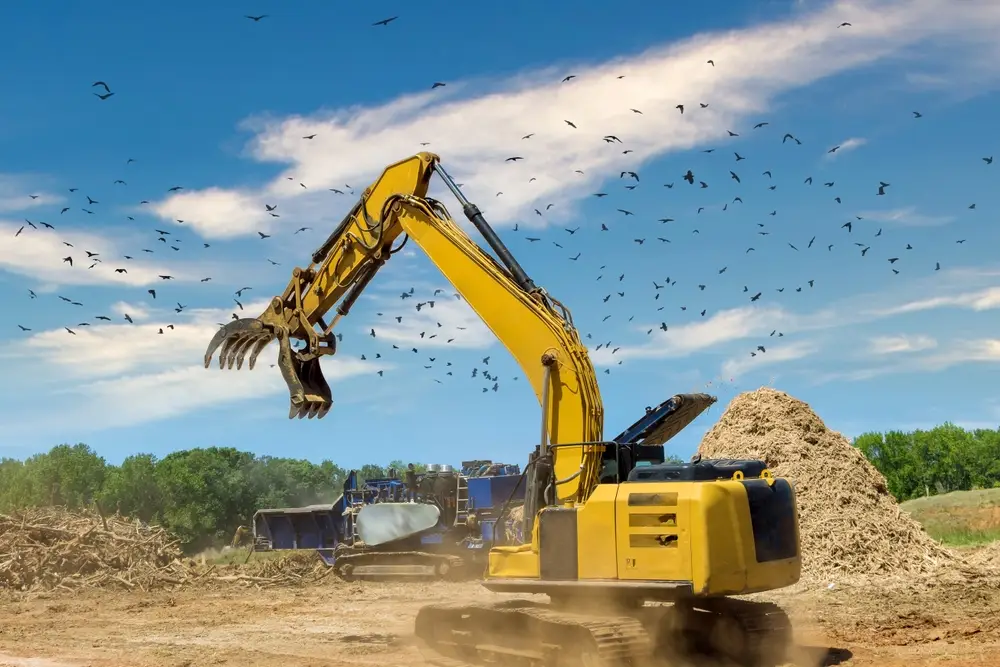
In the modern forestry industry, cost management is a major challenge for companies seeking to remain competitive while meeting environmental requirements. Cost optimization through forestry machinery rental offers a strategic solution that allows operators to access the most efficient equipment without the financial constraints of purchasing. This approach is transforming the way forestry projects are planned and executed, offering unmatched flexibility and substantial savings.
The financial advantages of forestry equipment rental
Forestry machinery rental offers considerable economic benefits compared with direct purchase. By avoiding the massive upfront investment required to buy new equipment, companies can preserve their cash flow and allocate it to other critical areas of their business. This approach also helps avoid the hidden costs associated with ownership, such as insurance, storage, and the rapid depreciation of machinery.
One of the main advantages lies in budget predictability. Unlike purchases, which require significant and unpredictable maintenance investments, rental offers fixed and predictable costs. Rental contracts generally include preventive and corrective maintenance, eliminating budget surprises and enabling better financial forecasting for projects.
In addition, rental allows companies to fully deduct rental fees from their operating expenses, offering significant tax advantages. This immediate deductibility improves project profitability and optimizes the company’s overall tax burden.
Operational flexibility and adaptation to job-site needs
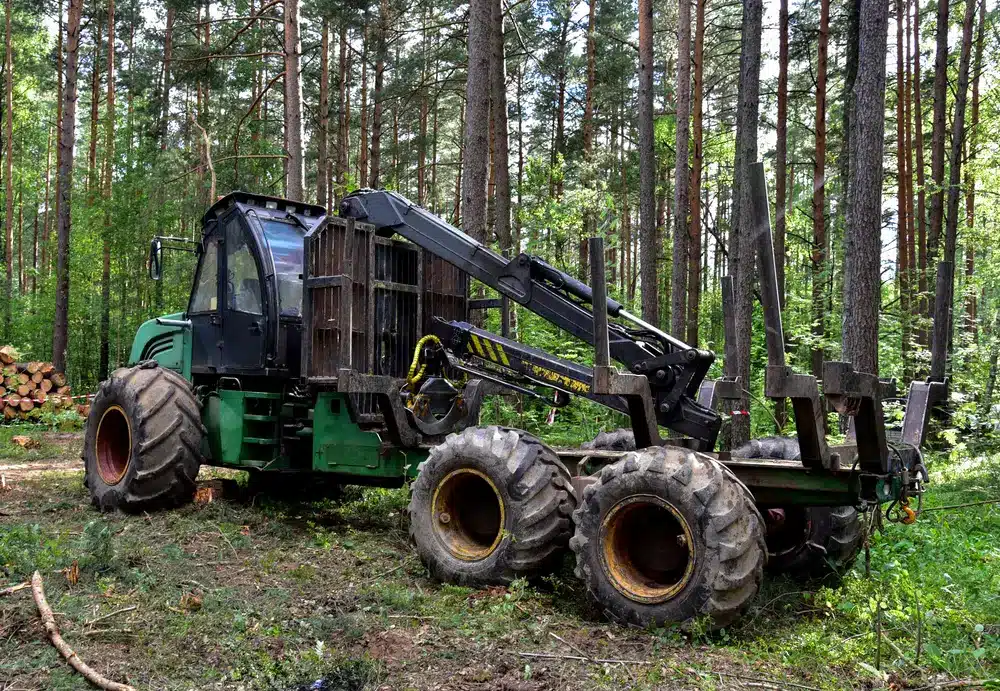
Operational flexibility is one of the major strengths of forestry equipment rental. Each forestry project has unique characteristics in terms of terrain, vegetation type, and specific objectives. Rental makes it possible to select precisely the equipment best suited to each situation, without being constrained by a fixed machine fleet.
This approach offers the possibility of adjusting equipment capacity according to seasonal workload. During periods of high activity, companies can temporarily expand their fleet without a long-term commitment. Conversely, during quieter periods, they can reduce costs by renting only the essential machines.
Rental also makes it easier to access the latest technologies. Rental equipment is generally made up of recent models incorporating the latest innovations in energy efficiency, productivity, and environmental compliance. This technological modernity translates into better operational performance and reduced operating costs.
Strategies for selecting and optimizing rental equipment
Cost optimization through rental requires a strategic approach to equipment selection. A preliminary analysis of the project’s specific needs is the first crucial step. This assessment must take into account the nature of the terrain, the types of trees to be processed, access constraints, and productivity targets.
Time planning plays a decisive role in cost optimization. By negotiating long-term rental contracts for extended projects, companies can benefit from preferential rates. Conversely, for one-off interventions, short-term rental helps avoid unnecessary ownership costs.
It is also essential to consider equipment versatility when making a selection. Choosing machines capable of performing several complementary tasks maximizes utilization and reduces the number of machines required. This multifunctional approach optimizes rental costs while simplifying job-site logistics.
Impact on risk management and maintenance
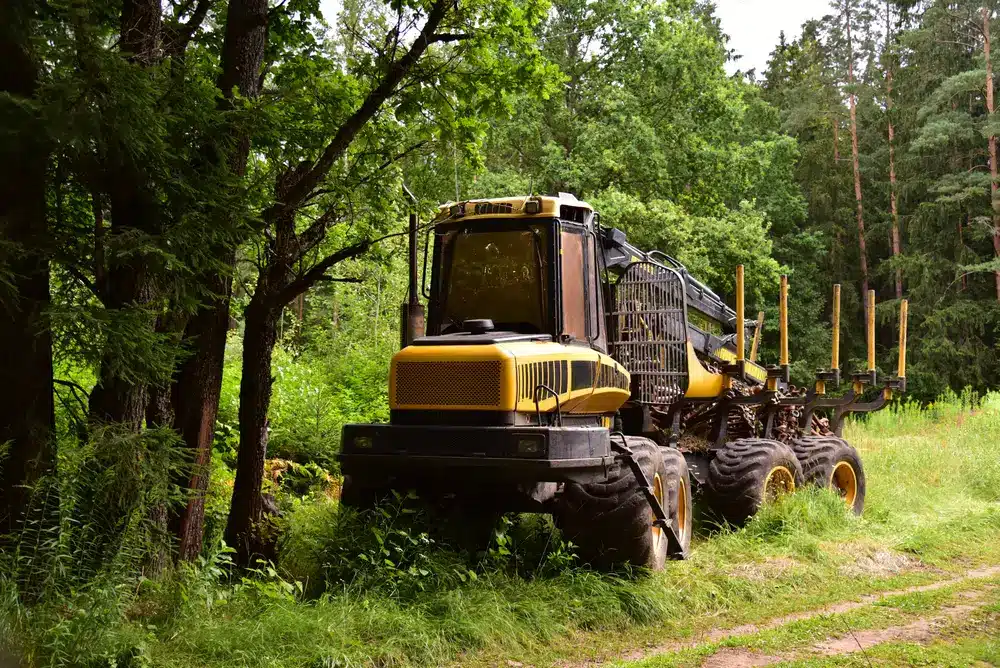
Forestry equipment rental radically transforms operational risk management. By transferring responsibility for maintenance and repairs to the rental provider, companies eliminate the uncertainties associated with unpredictable breakdowns and variable repair costs. This outsourcing allows them to focus on their core expertise rather than on the technical management of equipment.
Rental contracts generally include availability guarantees and response-time commitments in the event of a breakdown. These contractual clauses ensure operational continuity and minimize production delays, which are critical in forestry projects subject to seasonal constraints.
Access to specialized technical support is another significant advantage. Forestry equipment rental providers generally have expert technical teams capable of responding quickly and efficiently, ensuring continuous optimization of the performance of rented machines.
Measuring and monitoring economic performance
Cost optimization through rental requires the implementation of suitable performance indicators. Monitoring the cost per productive hour makes it possible to assess the economic efficiency of each rented machine. This metric includes not only the rental cost, but also associated operating costs such as fuel and the operator.
Comparative analysis between different rental options helps identify the most cost-effective solutions. This assessment must take into account technical performance, reliability, operating costs, and associated services to provide an overall view of economic profitability.
The digitalization of monitoring processes enables real-time analysis of performance and costs. Modern telematics technologies integrated into rental equipment provide accurate data on usage, consumption, and productivity, making continuous operational optimization easier.
Cost optimization through forestry equipment rental is a winning strategy for companies looking to maximize profitability while maintaining competitiveness. This approach offers flexibility, technological modernity, and budget predictability while reducing operational risks. To discover how our rental solutions can transform your forestry business and optimize your job-site costs, contact our experts today to obtain a free personalized quote.