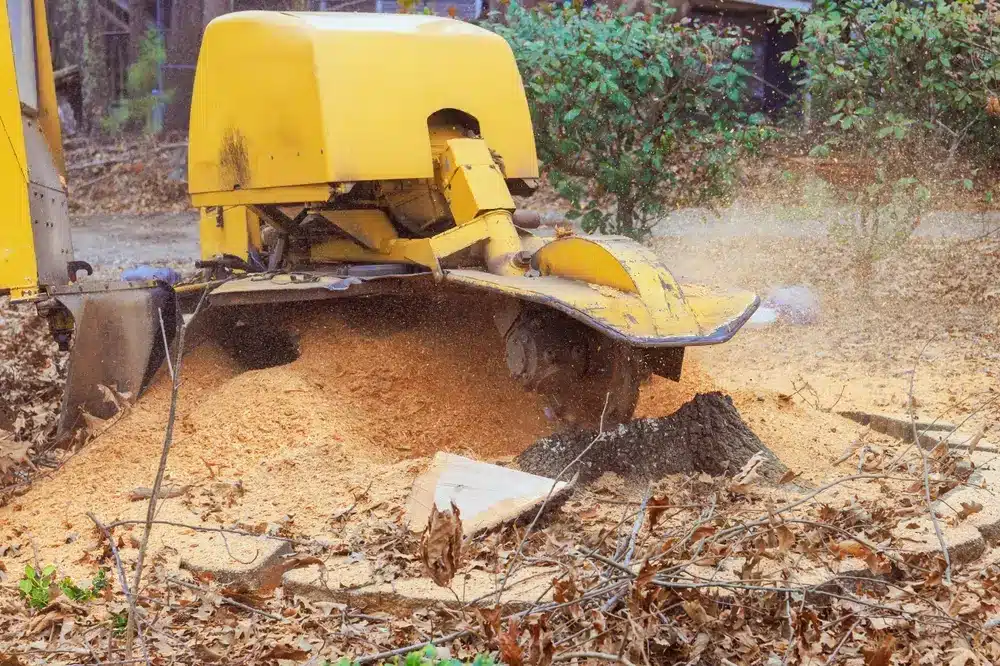
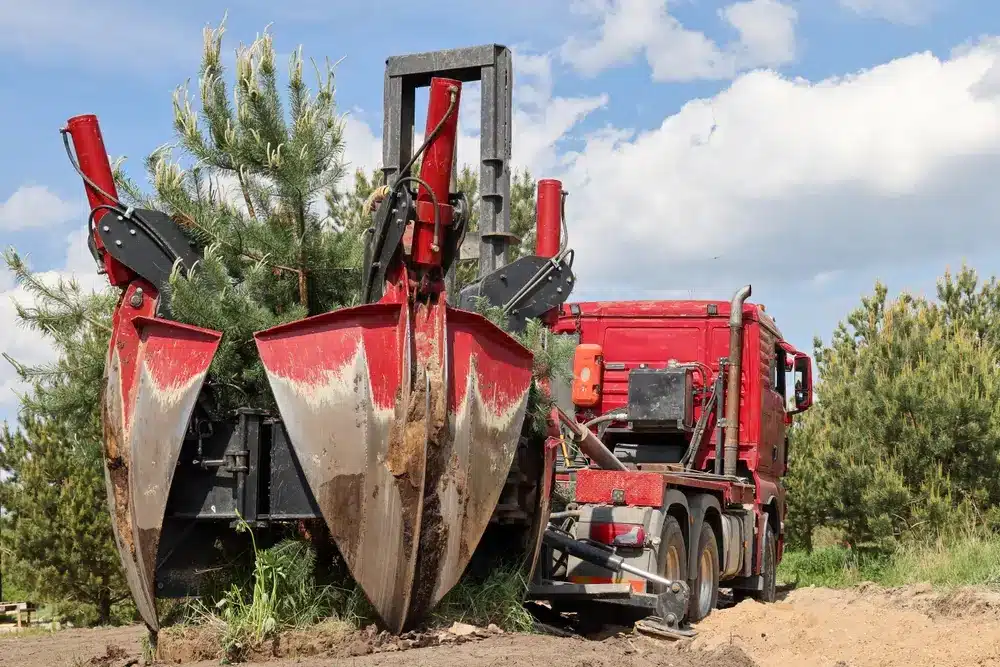
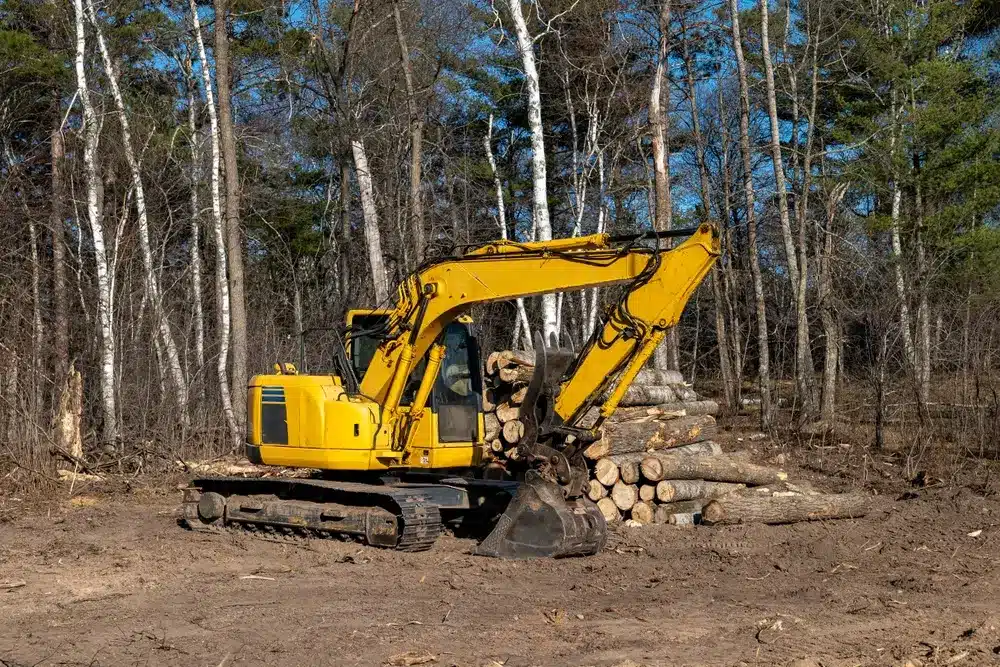
Heavy forestry machines represent significant investments for companies in the sector. Efficiently maintaining heavy forestry machines is therefore crucial to maximizing their lifespan, optimizing their performance, and reducing operating costs. In an environment as demanding as the forest, where working conditions are often difficult, rigorous preventive maintenance makes all the difference between reliable equipment and costly production stoppages.
Regular maintenance of forestry equipment is not limited to following the manufacturer’s recommendations. It involves adopting a comprehensive approach that takes into account terrain specificities, usage intensity, and environmental constraints. This strategy not only helps preserve the value of your investments, but also ensures operator safety and continuity on your job sites.
The fundamentals of forestry preventive maintenance
Preventive maintenance is the cornerstone of effective forestry equipment management. This approach consists of anticipating breakdowns rather than suffering from them, by planning regular interventions based on actual machine usage and manufacturer recommendations.
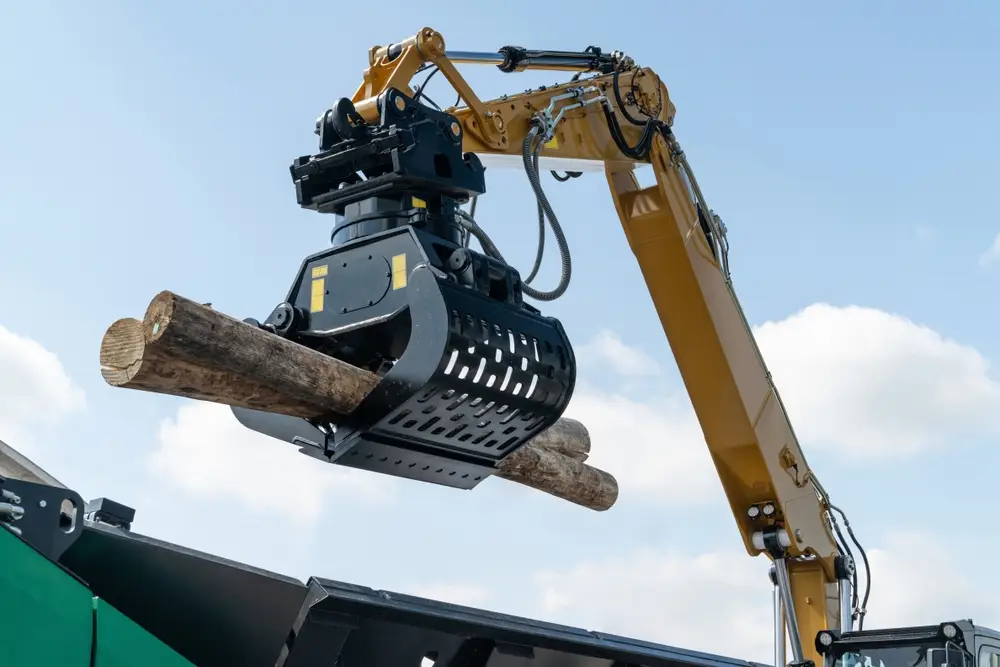
For forestry cranes and handling equipment, daily checks of hydraulic oil levels, coolant, and hose condition are the bare minimum. Hydraulic systems, which are particularly heavily used during lifting and rotation operations, require constant attention. A visual inspection for leaks, even minor ones, helps prevent major system damage.
Filters play a critical role in preserving internal components. Regular replacement of air, oil, and fuel filters according to the recommended intervals protects the engine against premature clogging. In forestry environments, where dust and particles are abundant, this vigilance is even more important.
Maintaining heavy forestry machines: focus on critical components
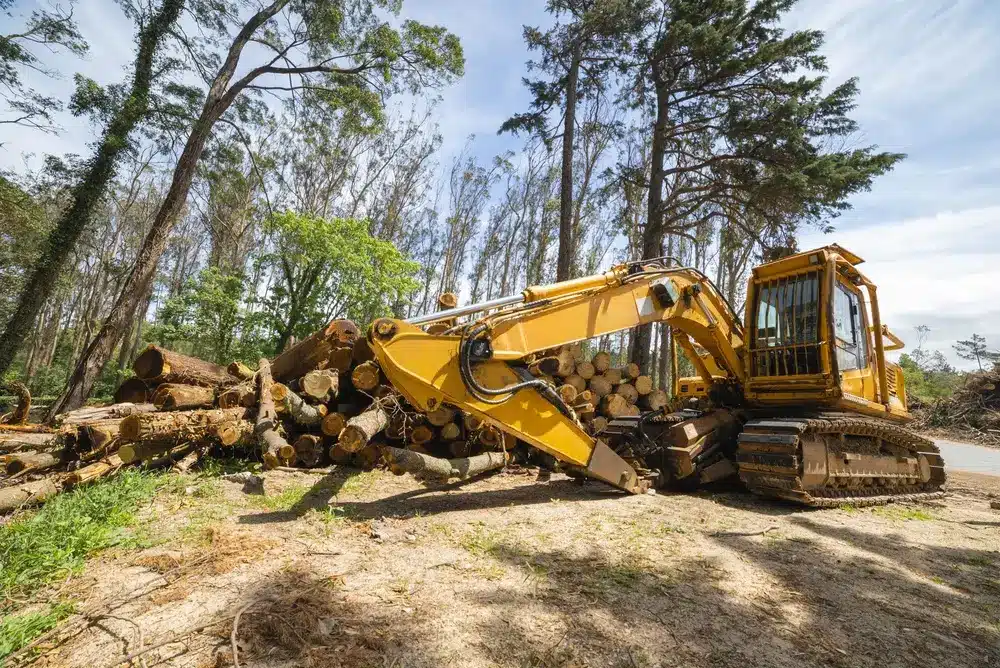
Certain elements of forestry machines require special monitoring because of their exposure to extreme stresses. Transmission chains, hydraulic cylinders, and cooling systems are among the most vulnerable components.
The hydraulic system is the heart of most forestry equipment. The quality of hydraulic oil must be checked regularly, as its degradation directly affects component performance and lifespan. Periodic oil analysis makes it possible to detect abnormal wear of internal parts at an early stage and adjust the maintenance strategy accordingly.
Tracks or tires are subjected to significant stress on rough terrain. Regular inspection of their wear condition, chain tension, and alignment helps avoid costly premature replacements. For tracked machines, greasing rollers and idlers according to manufacturer recommendations significantly extends their service life.
The cooling system deserves special attention in forestry environments. Radiators quickly become clogged with plant debris and dust. Regular cleaning with compressed air, carried out in the opposite direction of the airflow, maintains cooling efficiency and prevents engine overheating.
Optimizing performance through predictive maintenance
Beyond traditional preventive maintenance, modern technologies make it possible to adopt a more sophisticated predictive approach. This method uses sensors and data analysis to anticipate failures before they occur.
Vibration analysis of rotating components, such as hydraulic pumps or motors, reveals emerging malfunctions that are imperceptible during visual inspections. Similarly, monitoring the temperature of bearings and bushings makes it possible to detect early signs of excessive wear.
Telematics systems installed on modern machines provide valuable data on actual operating conditions. This information makes it possible to adapt maintenance intervals to real constraints rather than generic recommendations, thereby optimizing costs while preserving reliability.
Keeping a detailed maintenance log, whether physical or digital, is an essential tool. It makes it possible to track service history, identify recurring failures, and optimize spare parts inventories. This traceability also facilitates the potential resale of equipment by demonstrating rigorous maintenance.
Training and best practices for maintaining heavy forestry machines
Operator competence directly influences the longevity of forestry equipment. Adequate training in best operating practices is a profitable long-term investment.
Operators must master start-up and shut-down procedures, which are particularly important for diesel engines working in difficult conditions. Engine preheating in cold weather and a cooling-down phase after intensive use extend the service life of internal components.
Awareness of early warning signs of malfunction enables problems to be detected early. An abnormal noise, unusual vibration, or loss of power should alert the operator and trigger an immediate inspection. This responsiveness often prevents minor issues from developing into major failures.
Adapting driving behavior to terrain conditions is a key preservation factor. Avoiding jolts, respecting maximum loads, and adapting speed to ground conditions significantly reduce premature wear of mechanical and hydraulic components.
Seasonal maintenance and storage strategies
Forestry activity often follows seasonal cycles that require maintenance strategies to be adapted. Winter preparation of equipment requires specific precautions to prevent frost-related damage.
Before periods of intense cold, draining the cooling system and replacing it with a suitable antifreeze protects the engine against burst pipes. Similarly, using hydraulic and engine oils adapted to low temperatures ensures reliable start-up and optimal performance.
Extended shutdown periods, whether seasonal or linked to reduced activity, require a rigorous storage protocol. Complete cleaning of the machine, protection of exposed metal parts against corrosion, and periodic operation of hydraulic systems prevent deterioration during downtime.
Indoor storage, where possible, provides effective protection against bad weather and temperature variations. Otherwise, a suitable protective cover and the use of anti-corrosion products on exposed parts are acceptable alternatives.
A well-designed and rigorously applied maintenance strategy turns your forestry equipment into long-lasting assets for your company. Investment in preventive maintenance and team training results in increased machine availability, reduced operating costs, and enhanced safety on your job sites. To discover our perfectly maintained forestry equipment rental solutions and technical support services, contact us today and optimize the performance of your forestry operations.