Selecting the right forestry crane for your operations can make the difference between a profitable project and a costly mistake. With dozens of models available and varying specifications, choosing the most suitable equipment requires careful consideration of multiple factors. Whether you’re managing a timber harvesting operation, clearing land, or handling heavy forestry materials, the crane you select will directly impact your productivity, safety, and bottom line. Understanding the key selection criteria will help you make an informed decision that optimizes your forestry operations while keeping costs under control.
Understanding your specific forestry crane requirements
Before diving into technical specifications, you must clearly define your project requirements. The type of forestry work you’re performing will determine the crane capabilities you need. Timber harvesting operations require different features compared to land clearing or debris removal projects.
Consider the terrain where you’ll be working. Steep slopes, soft ground conditions, and dense forest areas each present unique challenges that influence crane selection. The size and weight of materials you’ll be handling also play a crucial role. Moving large logs requires significantly more lifting capacity than handling smaller branches or debris.
Don’t overlook the duration of your project. Short-term operations might benefit from rental solutions, while long-term projects could justify purchasing. The frequency of use and seasonal variations in your workload should factor into your decision-making process.
Key technical specifications for forestry crane selection
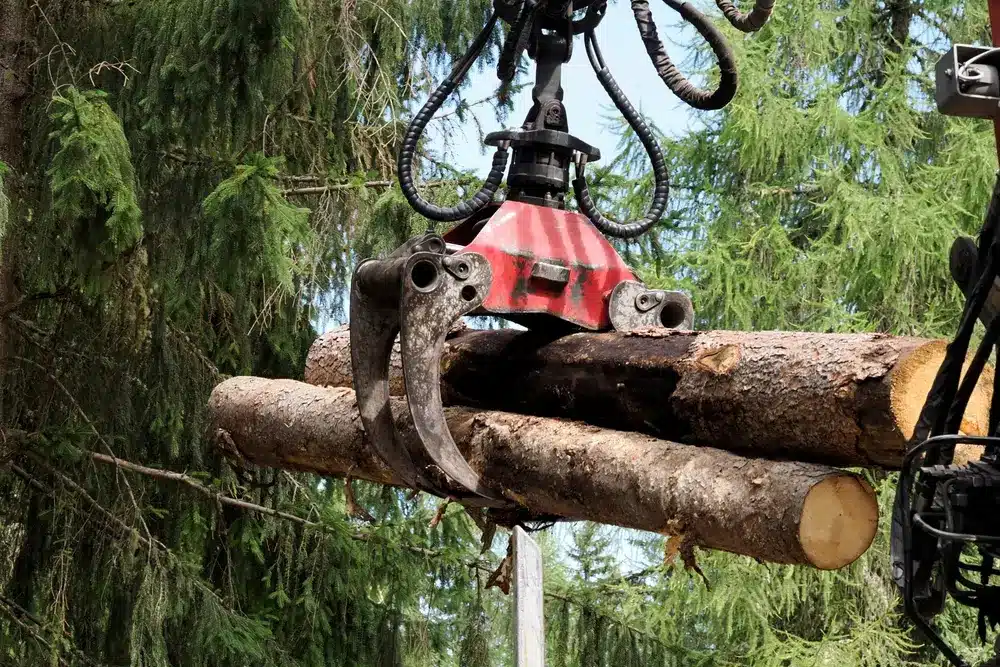
Lifting capacity stands as the most critical specification when choosing a forestry crane. However, maximum capacity ratings can be misleading if you don’t consider the working radius. A crane might lift 20 tons at close range but only 5 tons at full extension. Evaluate your typical working distances to ensure adequate lifting performance throughout your operational envelope.
Reach and boom length directly impact your crane’s versatility. Longer booms allow you to work from safer distances and access materials without repositioning the machine frequently. However, extended reach comes with trade-offs in lifting capacity and stability.
Engine power and hydraulic flow rates affect operational speed and efficiency. More powerful systems complete tasks faster but consume more fuel. Consider the balance between productivity gains and operating costs when evaluating these specifications.
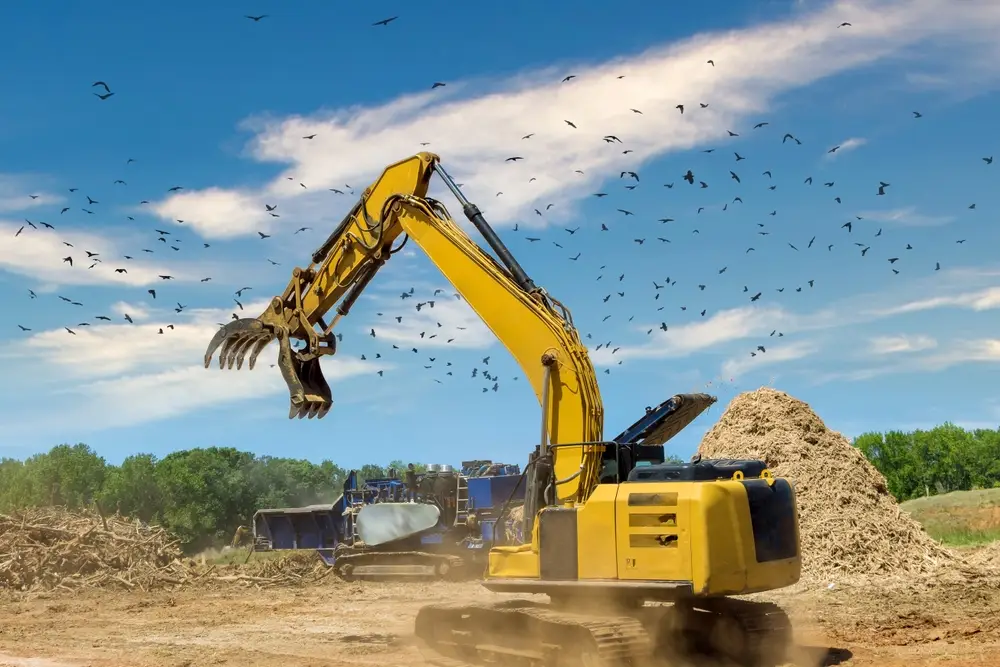
Mobility features deserve special attention in forestry applications. Track-mounted cranes offer superior stability and ground pressure distribution, making them ideal for soft terrain. Wheeled units provide better road transport capabilities but may struggle in challenging ground conditions.
Evaluating terrain compatibility and operational conditions
Forest environments present unique challenges that standard construction cranes aren’t designed to handle. Ground conditions vary dramatically, from rocky slopes to marshy wetlands. Your chosen forestry crane must navigate these conditions safely while maintaining operational efficiency.
Undercarriage design becomes critical in forestry applications. Wide track configurations distribute weight more effectively, reducing ground pressure and minimizing environmental impact. Rubber tracks offer better mobility on hard surfaces, while steel tracks provide superior durability in rocky conditions.
Clearance height and approach angles determine your crane’s ability to navigate through dense vegetation and over obstacles. Low-profile designs might struggle with fallen logs, while high-clearance units could have stability concerns on steep slopes.
Weather resistance features protect your investment and ensure consistent performance. Forestry operations often continue in challenging weather conditions, making robust construction and effective sealing systems essential for reliable operation.
Safety features and regulatory compliance considerations
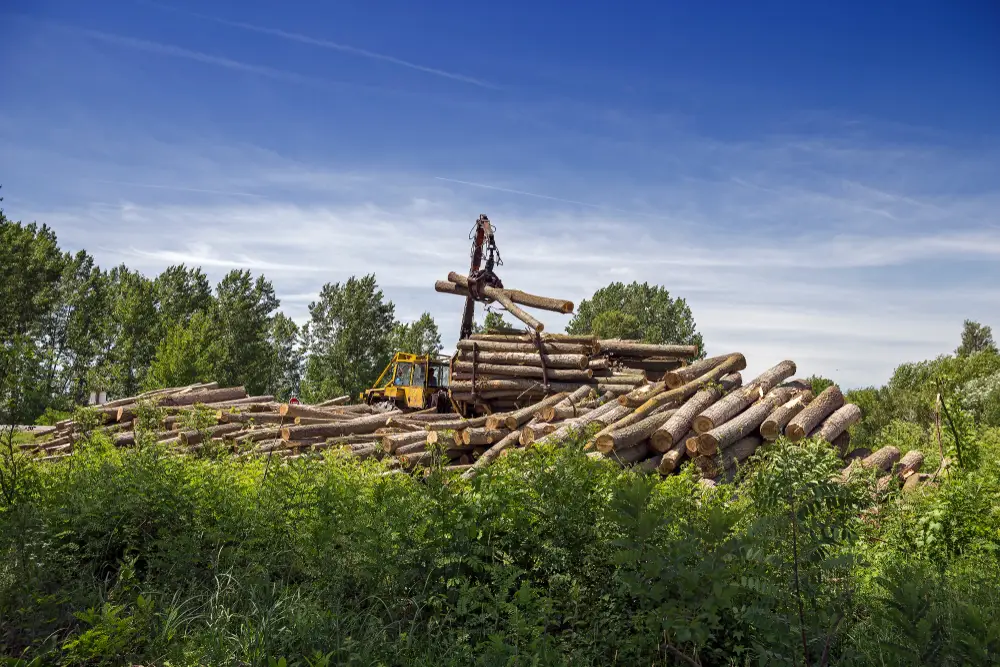
Safety should never be compromised when selecting forestry equipment. Modern cranes incorporate numerous safety systems designed to protect operators and surrounding personnel. Load moment indicators prevent dangerous overloading conditions by monitoring crane geometry and load weights in real-time.
Stability monitoring systems alert operators to potentially dangerous situations before they become critical. These systems consider ground conditions, load distribution, and crane configuration to maintain safe operating parameters throughout your work cycle.
Operator protection features include reinforced cabs, falling object protective structures, and emergency shutdown systems. Given the inherent risks in forestry operations, investing in comprehensive safety equipment protects both personnel and your business liability.
Regulatory compliance varies by region but typically includes emissions standards, noise regulations, and operator certification requirements. Ensure your chosen crane meets all applicable standards in your operating area to avoid costly compliance issues.
Cost analysis and return on investment factors
Total cost of ownership extends far beyond the initial purchase or rental price. Fuel consumption, maintenance requirements, and operator training costs significantly impact your overall investment. More efficient machines might cost more upfront but deliver better long-term value through reduced operating expenses.
Maintenance accessibility affects both costs and downtime. Cranes with easily accessible service points reduce maintenance time and labor costs. Consider the availability of service support in your area, as remote locations might face higher service costs and longer downtime periods.
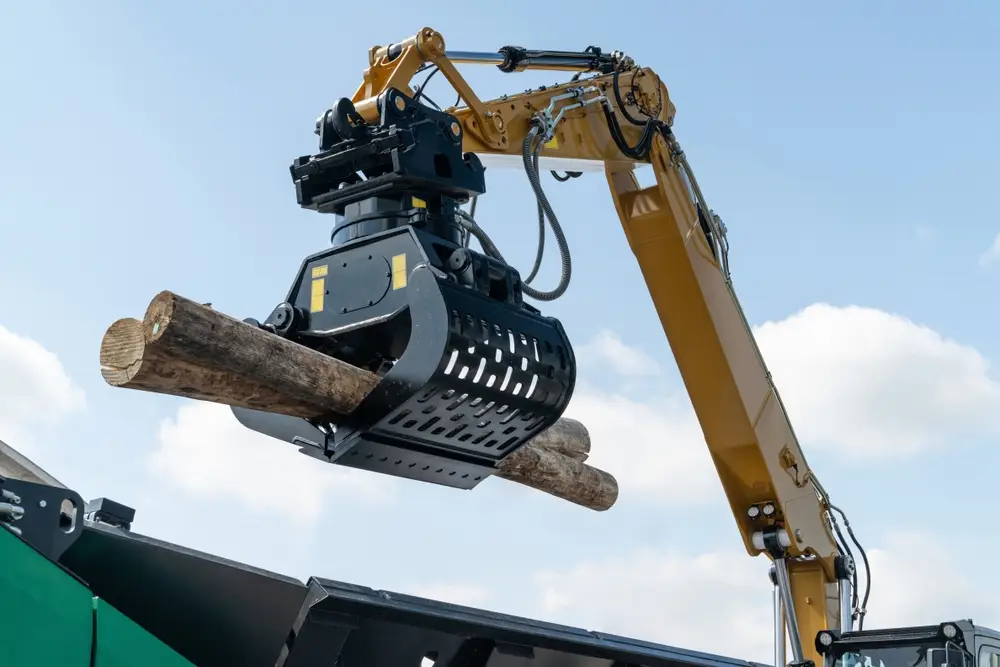
Versatility adds value by enabling your crane to handle multiple types of forestry work. Multi-purpose attachments and quick-connect systems allow rapid reconfiguration for different tasks, maximizing equipment utilization across various projects.
Resale value considerations become important for purchased equipment. Well-maintained cranes from reputable manufacturers typically retain value better, providing better returns when upgrading or changing operational requirements.
Choosing the right forestry crane requires balancing multiple competing factors while staying focused on your specific operational needs. By carefully evaluating your requirements, understanding key specifications, and considering long-term costs, you can select equipment that optimizes both performance and profitability. Ready to find the perfect forestry crane for your next project? Contact our equipment specialists today to discuss your specific requirements and explore our comprehensive rental solutions designed for forestry professionals.